-
It is a deadly synthetic opioid that is being pressed into fake pills or added to heroin, meth, cocaine, and other street drugs to drive addiction in our communities.
-
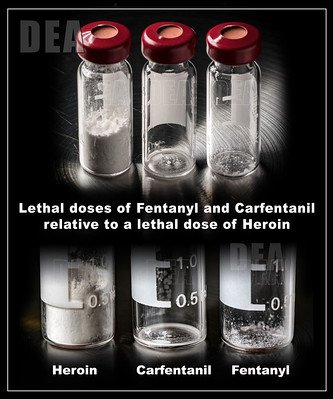
Because it's so potent, even a small dosing error can slow or stop breathing; law-enforcement testing shows as little as about 2 milligrams can be lethal depending on a person's tolerance. On top of that, people often encounter fentanyl unknowingly in counterfeit pills or mixed into street drugs, so they can't "dose" it reliably. Importantly, medical toxicologists emphasize that incidental skin contact is extremely unlikely to cause overdose — so it's safe to help someone if you use basic precautions.
Source: US DEA Facts about Fentanyl
-
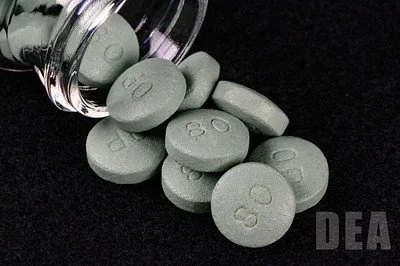
Illicitly manufactured fentanyl is frequently blended into heroin, cocaine, and methamphetamine and is also pressed into fake prescription pills that look like oxycodone, Xanax, and others—often without the user's knowledge. This contamination and counterfeiting create unpredictable strength from dose to dose, which sharply raises overdose risk.
Source: National Institute on Drug Abuse
-
Only take medications dispensed by a pharmacy; avoid pills from friends, dealers, or online sources. Carry naloxone (now available over the counter) and learn overdose response - give naloxone, call 911, and provide rescue breathing.
Source: National Institute on Drug Abuse




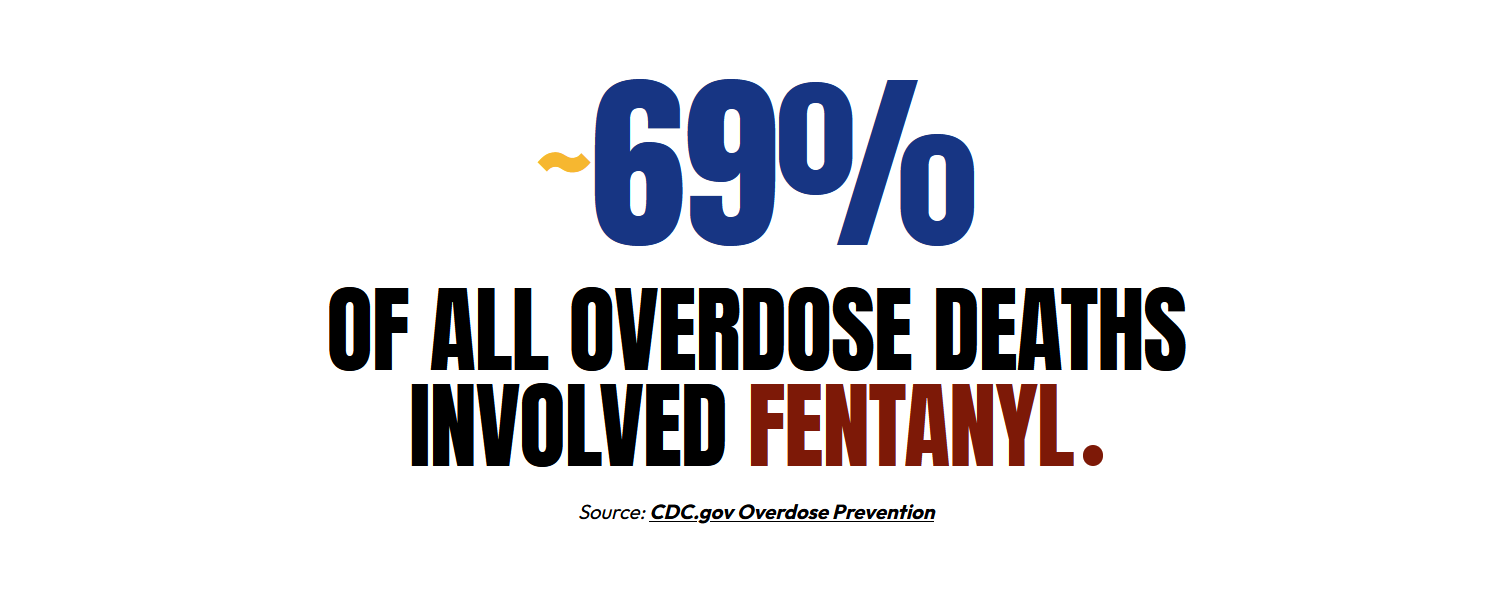



6
Warning Signs of Fentanyl Use:
1. Sleep & Eating Changes Ongoing irregular sleep or eating patterns.
2. Low Energy Persistent fatigue and lack of motivation for daily activities.
3. Mental Health Changes Sudden signs of depression or anxiety.
4. Irritability Unusual irritability or mood swings without clear cause.
5. Academic Decline Slipping grades or performance at work or school.
6. Lost Interest Lack of interest in activities that they once loved.
Signs of a Fentanyl Overdose
Fentanyl overdoses can happen suddenly, and every second counts. Recognizing the earliest warning signs could mean the difference between life and death. Fentanyl is far more potent than most opioids — even a tiny amount can overwhelm breathing in minutes.
Early Warning:
Pinpoint Pupils
Pinpoint pupils (very tiny, constricted pupils) are one of the earliest and most recognizable signs of opioid overdose. When fentanyl affects the central nervous system, it forces the pupils to tighten dramatically, even in low light.
Extreme drowsiness / “nodding off”
People may appear unusually sleepy, drift in and out of consciousness, or be unable to stay awake. Their responses may be slow or confused. This is caused by fentanyl suppressing brain activity and reducing oxygen levels.
Cold, clammy skin
As breathing slows, blood flow and oxygen drop. The skin may feel cool, sweaty, or moist to the touch. This change often appears early and can worsen quickly if the person does not receive help.
Limp or very weak body
Muscles lose strength when fentanyl depresses the nervous system. A person may be unable to sit up, control their movements, or keep their head from falling forward.
Nausea or vomiting
Opioids can disrupt normal digestive function. Nausea or vomiting may occur suddenly, and if a person is very weakened or unconscious, vomiting increases the risk of choking.
Life Threatening
Pinpoint Pupils
Pinpoint pupils (very tiny, constricted pupils) are one of the earliest and most recognizable signs of opioid overdose. When fentanyl affects the central nervous system, it forces the pupils to tighten dramatically, even in low light.
Extreme drowsiness / “nodding off”
People may appear unusually sleepy, drift in and out of consciousness, or be unable to stay awake. Their responses may be slow or confused. This is caused by fentanyl suppressing brain activity and reducing oxygen levels.
Cold, clammy skin
As breathing slows, blood flow and oxygen drop. The skin may feel cool, sweaty, or moist to the touch. This change often appears early and can worsen quickly if the person does not receive help.
Limp or very weak body
Muscles lose strength when fentanyl depresses the nervous system. A person may be unable to sit up, control their movements, or keep their head from falling forward.
Nausea or vomiting
Opioids can disrupt normal digestive function. Nausea or vomiting may occur suddenly, and if a person is very weakened or unconscious, vomiting increases the risk of choking.

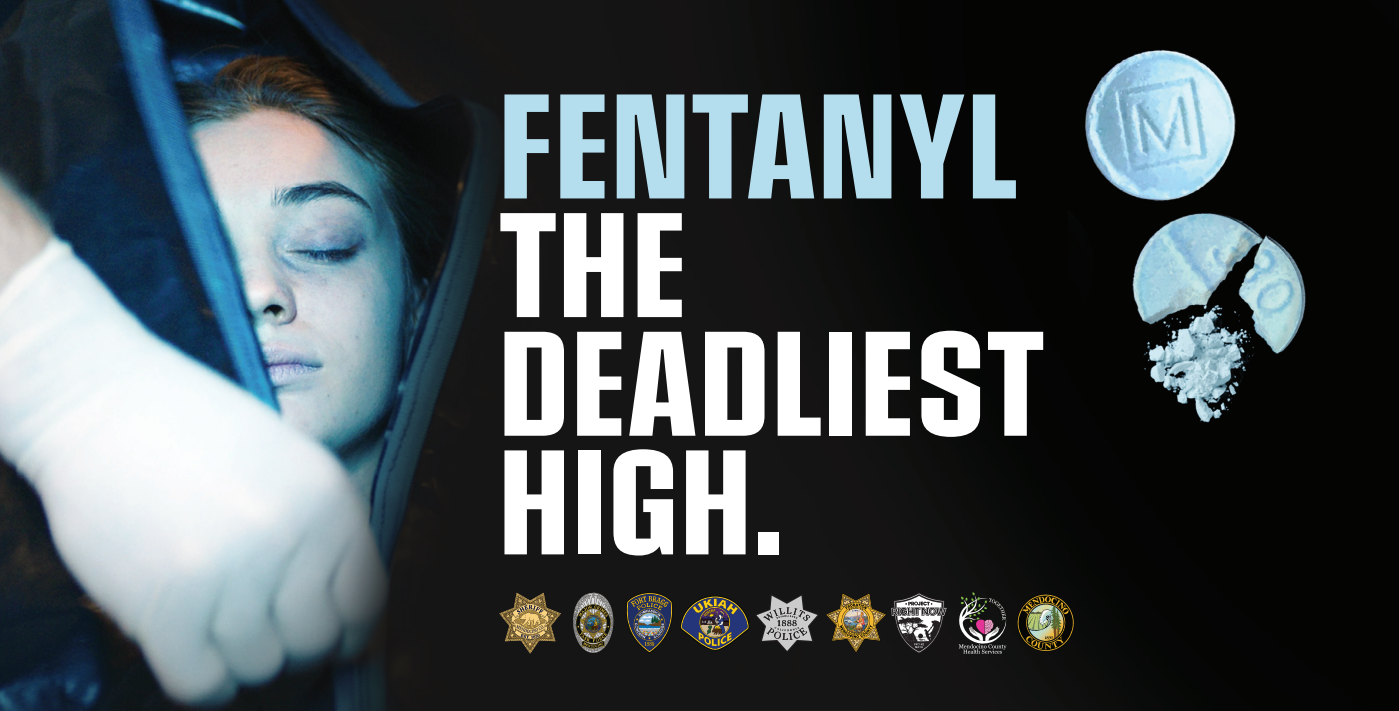

Fentanyl Distribution Methods
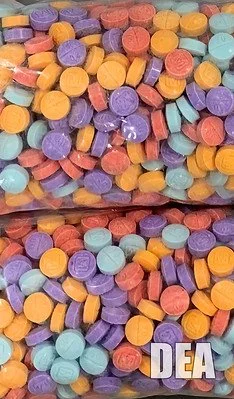
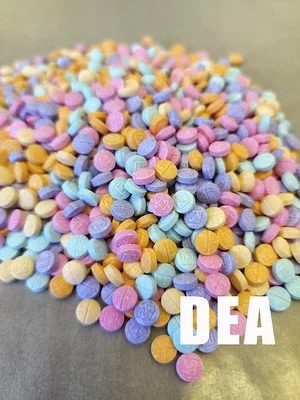
Fentanyl comes in many shapes, sizes, colors, and more. They can be made to resemble prescription pills, candy, powder, or mixed in with other lethal drugs such as heroin, meth, and cocaine. Its high potency and unpredictable doses greatly increase the risk of overdose and death.